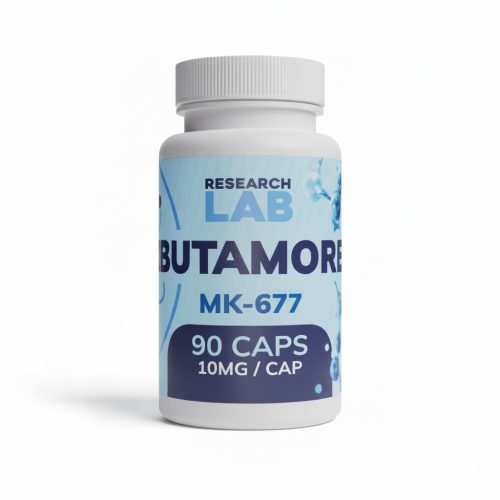
Ibutamoren MK-677 10mg 90 caps
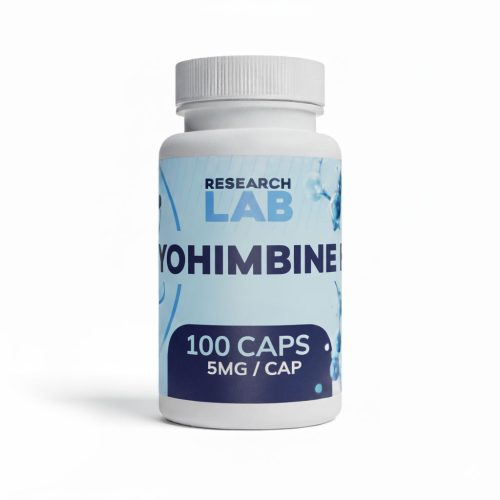
Yohimbine HCL 5mg 100 caps
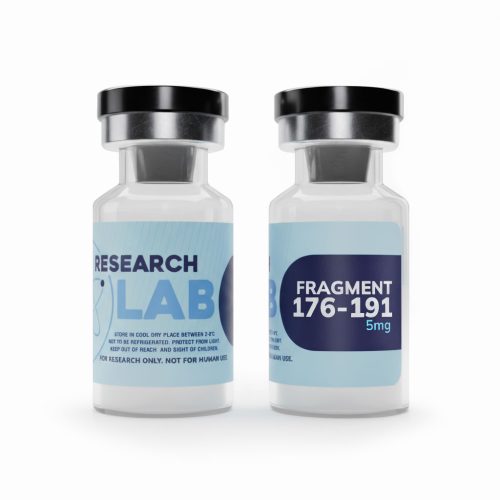
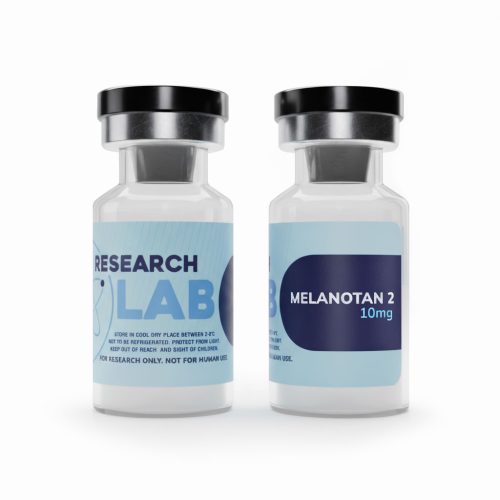
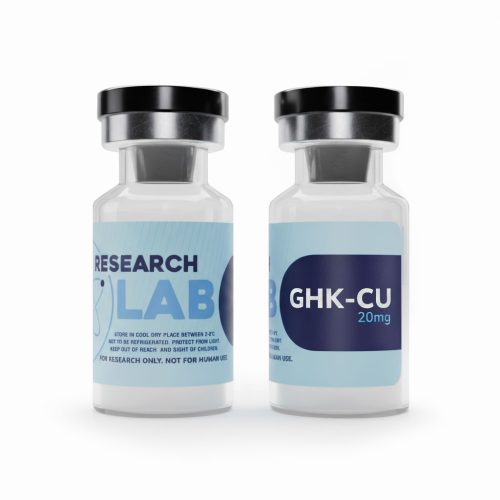

PEN 3G (RETA) 10mg
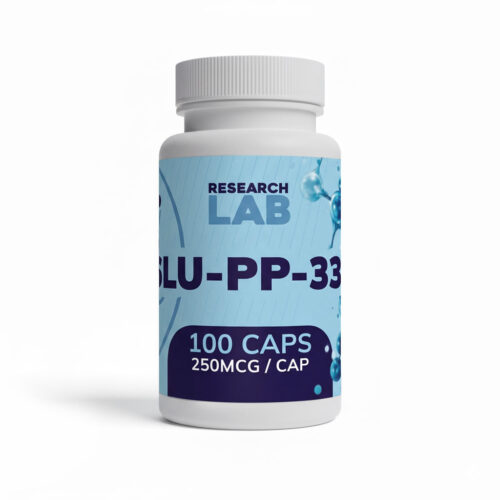
SLU-PP-332 250mcg 100 caps
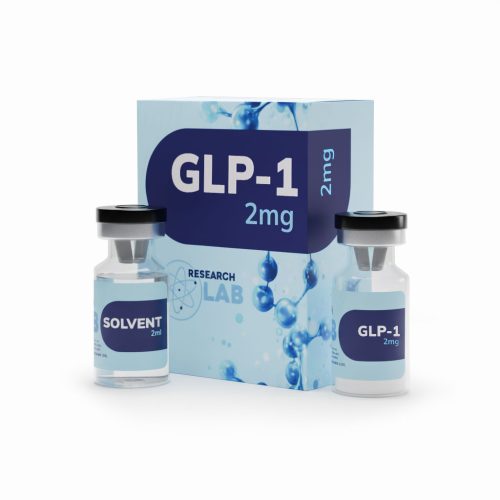
GLP-1 2mg + Solvent 2ml
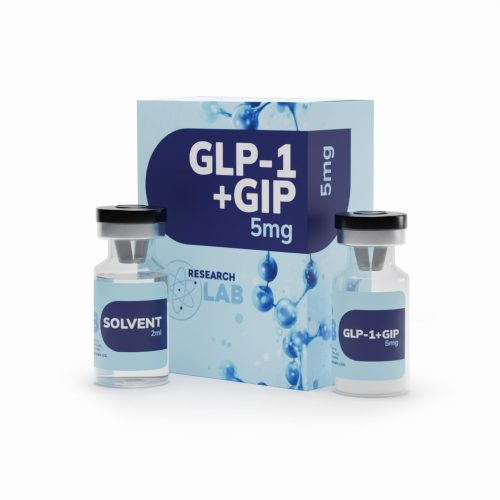
GLP-1 + GIP 5mg + Solvent 2ml
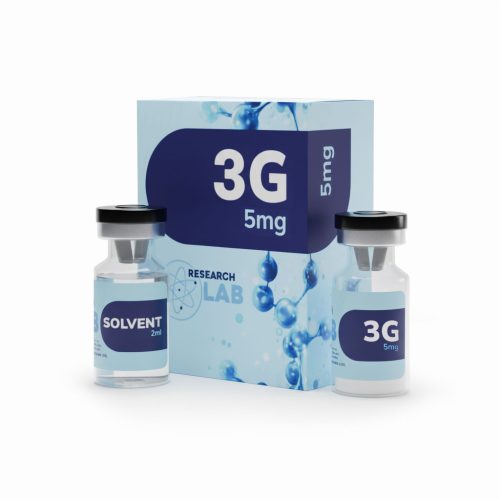
3G (RETA) 5mg + Solvent 2ml
Yohimbine HCL 5mg 100 caps
- Essential insights concerning lizaro within modern architectural planning
- Understanding the Composition and Characteristics of Lizaro
- The Role of Pigmentation and Texture
- Applications in Modern Architectural Projects
- Interior Design Applications and Benefits
- Installation Techniques and Considerations
- Long-Term Maintenance and Care
- The Future of Lizaro in Architectural Design
- Integrating with Biophilic Design Principles
Essential insights concerning lizaro within modern architectural planning
The integration of innovative materials and design philosophies is constantly reshaping the landscape of modern architecture. Among these emerging concepts, the utilization of specific surface treatments and finishes is gaining considerable traction for both aesthetic and functional reasons. One such solution, often discussed among architects and designers, is lizaro, a specialized coating that offers unique properties regarding texture, durability, and visual appeal. It represents a departure from traditional methods, providing architects with a broader palette for crafting exceptional built environments.
Contemporary architectural projects increasingly demand materials capable of withstanding diverse environmental conditions while simultaneously enhancing the overall design intent. This necessitates a careful consideration of not only the structural integrity of building components but also their external finishes. The selection of appropriate surface treatments is pivotal; they contribute significantly to a building’s resilience against weathering, abrasion, and UV degradation, all while playing a critical role in defining its aesthetic identity. Materials are moving away from stark, smooth surfaces and towards more tactile, organic finishes, and it is within this current trend that solutions like this coating find increasing relevance and application. A key drive towards these advancements stems from sustainability concerns and the demand for environmentally responsible material choices.
Understanding the Composition and Characteristics of Lizaro
The core of this coating technology lies in its unique composition, typically built around a blend of specialized polymers, mineral aggregates, and often, a carefully curated selection of pigments. These components are meticulously combined to create a surface finish that exhibits exceptional adherence to a wide range of substrates, including concrete, metal, and wood. The resulting finish isn’t simply a superficial layer; it penetrates the material’s pores, creating a more robust bond and enhanced resistance to delamination. This inherent durability is a significant benefit in environments prone to extreme weather or heavy traffic. Moreover, the composition of the coating contributes to its inherent flexibility, allowing it to accommodate minor structural movements without cracking or peeling. This is particularly advantageous in projects where thermal expansion and contraction are significant factors.
The Role of Pigmentation and Texture
The aesthetic versatility of this coating is largely determined by the incorporation of various pigments and techniques to manipulate its texture. While a smooth, polished finish is achievable, it’s the ability to create textured surfaces – mimicking natural stone, aged concrete, or even organic patterns – that truly sets it apart. The range of color options is extensive, enabling architects to realize precise design visions. Furthermore, the texture can be adjusted to influence the coating’s coefficient of friction, making it suitable for both interior and exterior applications where slip resistance is paramount. The final texture and hue play an important role in how light interacts with the building, which is a key consideration for energy efficiency and visual comfort.
| Property | Description |
|---|---|
| Durability | Highly resistant to abrasion, UV radiation, and chemical exposure. |
| Adhesion | Excellent bonding to various substrates (concrete, metal, wood). |
| Flexibility | Accommodates structural movement without cracking. |
| Texture Options | Smooth, textured, mimicking natural materials. |
Beyond these core properties, manufacturers often enhance the coating with additives that impart additional functionalities, such as self-cleaning capabilities or antimicrobial properties. These advancements broaden the scope of application, making it a valuable solution for projects in healthcare, food processing, or other hygiene-sensitive environments.
Applications in Modern Architectural Projects
The adaptability of this coating makes it suitable for a diverse array of architectural applications. From large-scale exterior facades to intricate interior design elements, its versatility is undeniable. A considerable number of contemporary building projects are leveraging its properties to create visually striking and functionally superior surfaces. For instance, it has been employed in the renovation of historical structures, allowing architects to preserve the original aesthetic while simultaneously enhancing the building’s long-term durability. The seamless integration with existing materials and finishes is a key factor that makes it attractive in these situations. Moreover, it's increasingly being utilized in the creation of sculpted architectural features, enabling architects to realize complex organic forms that would be difficult or impossible to achieve with traditional materials.
Interior Design Applications and Benefits
Within interior spaces, this coating is proving to be a popular choice for wall coverings, flooring, and even furniture surfaces. Its ability to create unique textures and finishes allows designers to craft distinctive and inviting environments. The coating's inherent durability makes it well-suited for high-traffic areas and commercial spaces where maintaining a pristine appearance is essential. In addition, its low VOC (volatile organic compound) content contributes to improved indoor air quality, a significant consideration in modern building design. This also fits with growing sustainability goals and building certification standards, such as LEED.
- Enhanced Aesthetic Appeal: Creates unique textures and finishes.
- Improved Durability: Withstands wear and tear in high-traffic areas.
- Sustainability: Low VOC content promotes healthy indoor air quality.
- Design Versatility: Suitable for walls, floors, and furniture.
The capacity for customization also extends to incorporating design patterns or logos directly into the coating, making it a powerful branding tool for commercial spaces. This level of personalization allows architects and designers to create truly bespoke solutions tailored to the unique needs of their clients.
Installation Techniques and Considerations
Proper installation is crucial to maximizing the benefits of this coating. While it can be applied by skilled contractors, adherence to the manufacturer’s guidelines is paramount. Surface preparation is arguably the most important step; the substrate must be clean, dry, and free of any contaminants that could impede adhesion. Priming, typically with a compatible primer specifically designed for the substrate, is often necessary to ensure optimal bonding. Considerations regarding ambient temperature and humidity are also critical, as these factors can influence the coating’s curing process. Typically, application is done through spraying, rolling, or troweling, depending on the desired texture and finish. Multiple coats may be required to achieve the desired thickness and coverage.
Long-Term Maintenance and Care
One of the advantageous aspects of this coating is its relatively low maintenance requirements. Regular cleaning with mild detergents and water is typically sufficient to maintain its appearance. However, avoiding abrasive cleaners or harsh chemicals is essential to prevent damage to the finish. Periodic inspections are recommended to identify and address any minor blemishes or areas of wear and tear. While the coating is highly durable, preventative maintenance will significantly extend its lifespan and preserve its aesthetic qualities. Prolonged exposure to certain chemicals or harsh weather conditions may necessitate reapplication in some instances, but this would generally be a long-term consideration rather than a frequent necessity.
- Surface Preparation: Ensure a clean, dry, and contaminant-free substrate.
- Priming: Apply a compatible primer for optimal adhesion.
- Application: Use appropriate techniques (spraying, rolling, troweling).
- Curing: Allow sufficient time for proper curing based on manufacturer guidelines.
The coating's resistance to fading and discoloration also contributes to its long-term maintainability, reducing the need for frequent touch-ups or repainting. This presents a considerable life-cycle cost advantage over traditional finishes that require more frequent maintenance interventions.
The Future of Lizaro in Architectural Design
As the demand for sustainable, durable, and aesthetically versatile building materials continues to grow, this coating is poised to play an increasingly prominent role in architectural design. Ongoing research and development efforts are focused on enhancing its performance characteristics, expanding its range of applications, and reducing its environmental impact. Particular attention is being paid to incorporating recycled materials into its composition and developing bio-based alternatives to traditional polymer binders. The integration of nanotechnology is also being explored to impart self-healing properties or improve its resistance to extreme weather conditions. The potential to utilize the coating in 3D-printed architectural components is also a subject of considerable interest.
Integrating with Biophilic Design Principles
The trend toward biophilic design—incorporating natural elements into built environments—creates exciting opportunities for the application of this coating. Its capacity to mimic natural textures and materials allows architects to seamlessly integrate organic forms and patterns into their designs. Imagine a façade textured to resemble weathered stone or a lobby featuring wall coverings that evoke the appearance of tree bark. The flexibility of the coating also allows for the incorporation of living elements, such as moss or climbing plants, directly into the surface. This fusion of nature and architecture not only enhances the aesthetic appeal of the building but also promotes the well-being and productivity of its occupants. Beyond the visual aspect, the material’s durability can positively contribute to lower life-cycle costs and reduced environmental impact, aligning with the core principles of sustainable design.
Ostatnie wpisy
- Effektive_Methoden_nutzen_afkspin_für_maximalen_Spielspaß_und_hohe_Gewinne
- Exklusive_Boni_und_Angebote_rund_um_national_casino_für_neue_Spieler_entdecken
- Unser Vulkan Las vegas Spiele Spielbank � Vor- unter anderem Nachteile
- Selbige besten 7 Echtgeld Casinos 2025: Selbige umfassender Expertentest
- Uber dm Verde Kasino promo source lasst zigeunern nebensachlich das Verde Casino with zero vorkasse pramie ankurbeln