0,00 zł
Suma koszykaBrak produktów w koszyku.
Dodaj jeszcze 500,00 zł do koszyka i zyskaj darmową dostawę.
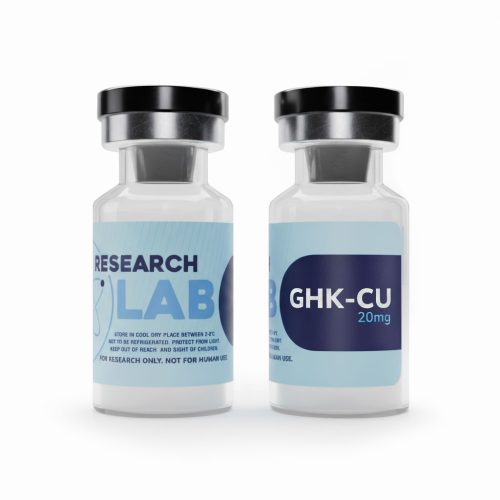

Ibutamoren MK-677 10mg 90 caps

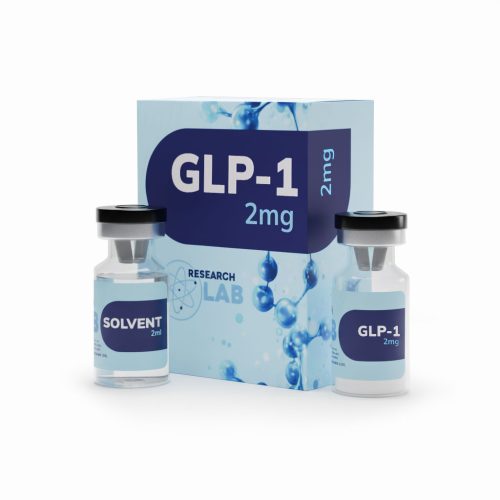
GLP-1 2mg + Solvent 2ml
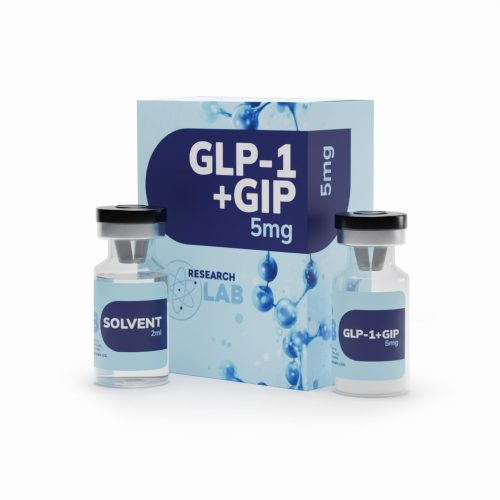
GLP-1 + GIP 5mg + Solvent 2ml

3G 5mg + Solvent 2ml
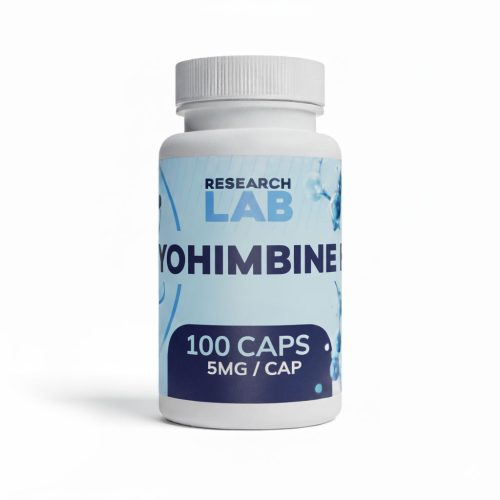
Yohimbine HCL 5mg 100 caps
Ibutamoren MK-677 10mg 90 caps
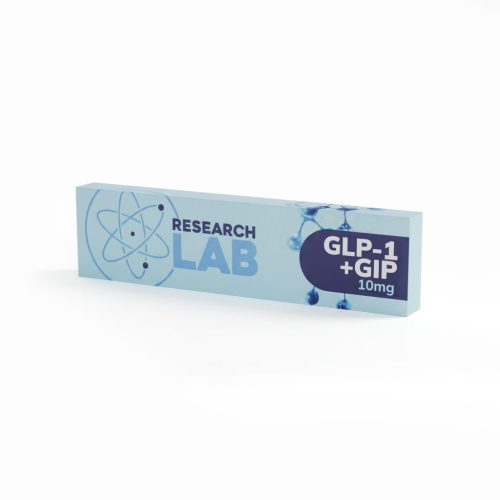
PEN GLP1 + GIP 10mg
Web accessibility has become a critical concern for contemporary web properties, yet many web professionals continue to rely on vague link text that undermines both user experience and accessibility. Among the most common issues is the excessive use of generic text like click here as link anchors, which create significant barriers for users with disabilities while also diminishing the general quality of user interaction. These apparently harmless two-word links fail to deliver useful information about their destination, forcing users to rely on surrounding text for comprehension. For individuals using screen readers or navigating via keyboard, such non-descriptive links create confusion and frustration, requiring additional effort to determine whether a link is valuable to click. Beyond accessibility issues, these generic link phrases also negatively impact SEO performance, diminish readability of content, and reflect poorly on industry best practices.
The Issue with Non-descriptive Link Text in Current Web Design
Generic link text represents one of the most pervasive yet overlooked challenges within modern web development, generating avoidable friction for diverse user groups. When developers insert text that encourages users to click here without meaningful context, they fail to grasp how individuals navigate digital content. Users relying on screen readers, who often navigate by navigating across hyperlinks, encounter meaningless phrases that give no suggestion of destination or purpose. This compels them to return and review to nearby text to understand where a link leads, changing what needs to be streamlined browsing into a frustrating trial-and-error process. The practice reflects old-fashioned design principles from the beginning of the web when hyperlinks as a feature were novel enough to require obvious direction.
The cognitive burden caused by non-descriptive link text goes far past users with disabilities, affecting everyone who scan content quickly to find desired content. Research shows that most web visitors skip reading entire pages but instead look at headings and links to locate desired content. When anchor text is too vague and simply instructs visitors to click here for more information, it disrupts the typical scanning pattern and requires visitors to take time reading contextual sentences. This inefficiency compounds across pages with multiple generic links, creating cumulative frustration that drives visitors away. Professional websites that prioritise user experience understand that every link should work as an independent indicator, distinctly showing its destination without requiring additional context.
Modern web standards strongly advise against generic link text because they compromise several dimensions of site quality simultaneously, from accessibility compliance to search engine performance. The Web Content Accessibility Guidelines directly tackle this issue, stipulating that link purpose be determinable from the link text alone or from its programmatically determined context. Generic phrases that tell users to click here violate this core requirement, creating legal compliance risks for organisations in jurisdictions with accessibility mandates. Furthermore, search engines assess link text as a ranking factor, meaning descriptive anchors support better indexing and ranking. The ongoing prevalence of generic link text despite these established issues suggests a persistent gap between industry standards and actual implementation across the web development community.
How Click Here Links Damage Website Usability
Generic link text presents major barriers for users who depend on assistive technologies to navigate the web. When websites use phrases such as click here as hyperlink anchors, they strip away the contextual information that enables users with blindness to make meaningful browsing choices. These non-descriptive links force visually impaired users to hear adjacent text or backtrack through paragraphs to understand link destinations, substantially raising the mental effort required for simple browsing tasks. The overall consequence of coming across many unclear links throughout a website transforms what should be straightforward navigation into a confusing challenge that reduces participation and prevents access to critical content.
The impact extends beyond individual user frustration to broader questions of digital equity and inclusion. Websites that rely heavily on click here links effectively communicate that accessibility was an afterthought rather than a core design principle. This approach marginalises users with disabilities by creating unnecessary barriers that exclude them from full participation in digital spaces. Research consistently demonstrates that descriptive link text benefits all users, not just those with disabilities, by improving scanability and comprehension. When content creators prioritise meaningful link anchors over generic phrases, they create more inclusive digital environments that respect the diverse ways people access and process online information.
Assistive Technology Accessibility and Loss of Context
Screen reader users frequently use link lists as a primary navigation strategy, allowing them to quickly scan all available links on a page without listening to the entire content. When a page contains multiple instances where designers have used click here as the anchor text, these link lists become essentially useless, displaying the same wording for completely different destinations. This navigation method, which should streamline the browsing experience, instead becomes confusing and inefficient when faced with non-descriptive link text. Users must exit the link list, return to the main content, and listen to surrounding context to determine which link leads where—a process that increases browsing time exponentially and undermines the very purpose of using assistive technology to browse more efficiently.
The context loss extends well beyond link lists to affect the fundamental browsing experience for screen reader users. When encountering a phrase like click here while navigating sequentially through content, users receive no information about the link’s purpose, destination, or relevance to their needs. They must either take a chance by following the link blindly or invest additional time reviewing preceding and following sentences to gather context. This constant need for contextual detective work transforms what should be seamless navigation into a cognitively demanding task. Descriptive link text eliminates this burden by embedding destination information directly within the anchor, allowing users to make immediate, informed decisions about whether to follow a link based solely on the anchor text itself.
Navigation via Keyboard Issues for Disabled Users
Users who browse websites exclusively via keyboard—including individuals with motor disabilities, vision impairments, or those who cannot use a mouse—rely heavily on the Tab key to move between interactive elements. When multiple links on a page use click here as their anchor text, keyboard navigation becomes confusing and difficult to follow. These users must tab through numerous identical-sounding links without clear indication of where each one leads, forcing them to either click through each link to determine its destination or rely on visual context they may not be able to perceive. The resulting experience is one of uncertainty and inefficiency, where basic tasks like finding a specific resource or navigating to a particular section require significantly more effort than they should.
The issue intensifies on complex pages with comprehensive menu systems, sidebars, and content sections with numerous links. Keyboard users often use skip navigation features and depend on clear link differentiation to navigate smoothly through page elements. When encountering repeated instances of click here throughout a page, they lose the ability to distinguish between links based on their labels alone. This forces them to implement alternative approaches such as clicking links without certainty or using additional assistive technologies to obtain information—strategies that consume time and cognitive effort. Descriptive link text honors keyboard users’ navigation patterns by providing clear, distinguishable labels that enable confident, efficient movement through digital content without requiring visual reference or exploratory clicking.
WCAG Compliance and Legal Implications
The Web Content Accessibility Guidelines (WCAG) explicitly address link text requirements under Success Criterion 2.4.4, which mandates that link purpose must be determinable from the link text alone or from the link text together with its programmatically determined context. Generic phrases like click here fail to meet this standard when used in isolation, as they provide no indication of the link’s destination or function. Websites aiming for WCAG Level A compliance must ensure that link text makes sense when read out of context, while Level AA compliance requires even stricter adherence to descriptive linking practices. Organisations that continue using non-descriptive link text risk failing accessibility audits and potentially violating legal requirements in jurisdictions where digital accessibility is mandated by law.
The regulatory environment surrounding web accessibility has evolved significantly, with many jurisdictions implementing regulations that mandate websites to comply with WCAG standards. In the UK, the Equality Act 2010 requires service providers to make reasonable adjustments for people with disabilities, which encompasses guaranteeing website accessibility. Companies that continue to use click here links may encounter lawsuits, regulatory complaints, or reputational damage when their accessibility failures become public. Apart from regulatory requirements, not providing descriptive link text constitutes a missed opportunity to demonstrate true dedication to inclusion and user-focused design. The minimal effort required to write meaningful link anchors provides significant benefits in terms of legal protection, better usability, and alignment with professional web development standards.
The SEO implications of Employing 'Click Here’ Links
Search engines rely heavily on anchor text to understand the context and relevance of linked pages, making descriptive link text essential for effective optimisation. When websites use generic phrases such as click here as hyperlinks, they waste valuable opportunities to signal content relevance to search algorithms. Google and other search engines analyse anchor text to determine what information the destination page contains, and non-descriptive links provide no semantic value whatsoever. This practice essentially tells search engines nothing about the linked content, which can result in lower rankings for important pages. Websites that consistently use meaningful, keyword-rich anchor text instead gain a competitive advantage by helping search engines accurately index and rank their content for relevant queries.
The impact on internal linking structure becomes particularly significant when generic link text dominates a website’s navigation patterns. Internal links serve as pathways for both users and search engine crawlers to discover and evaluate content across a site. When multiple links throughout a website simply say click here without context, search engines cannot differentiate between them or understand their relative importance. This creates a missed opportunity to reinforce topical authority and distribute page authority effectively throughout the site. Furthermore, generic anchor text fails to support the semantic relationships between pages that modern search algorithms prioritise, potentially causing valuable content to remain undiscovered or undervalued in search results.
Beyond direct ranking factors, the user experience signals associated with vague link text can indirectly harm SEO performance through increased bounce rates and reduced engagement. When visitors encounter links that merely instruct them to click here without indicating the destination or purpose, they may hesitate or abandon the interaction entirely. This uncertainty leads to higher bounce rates, lower time-on-site metrics, and reduced conversion rates—all signals that search engines interpret as indicators of poor content quality. Additionally, the lack of descriptive anchor text makes it difficult for users to find specific information through site search or browser find functions, further diminishing the overall user experience and the site’s perceived value to search engines.
User Experience Issues Apart from Accessibility
Vague anchor text causes irritation for all website visitors, not just those with disabilities. When users come across unclear text like click here spread across pages, they must constantly pause to read surrounding context before deciding whether to follow the link. This cognitive burden reduces browsing speed and increases mental fatigue, particularly on dense content areas where multiple links compete for attention. Research shows that users make split-second decisions about which links to follow, and ambiguous anchor text forces them to work harder than necessary, leading to higher bounce rates and lower interaction across the entire site.
The cumulative impact of poor link text goes far beyond individual interactions to shape overall perceptions of website quality. Professional websites that rely on vague language like click here appear outdated and poorly designed, undermining brand credibility and user trust. Modern web users expect intuitive navigation where every element communicates its purpose clearly. When links fail to describe their destinations, users grow reluctant to explore content, reducing page views and limiting the effectiveness of calls to action. This degraded experience affects conversion rates, customer satisfaction, and ultimately business outcomes, making descriptive link text a commercial imperative rather than merely a technical consideration.
Mobile Visitors and Touch Target Clarity
Mobile devices present unique challenges for link interaction, where generic text like click here becomes particularly problematic. Touch targets on smartphones require precise tapping, and users need clarity regarding where a link will take them before committing to the action. Small screens restrict the volume of surrounding context visible at any moment, making descriptive anchor text essential for making informed choices. When users must navigate or magnify to understand what a link offers, friction rises significantly, leading to dropped visits and frustrated visitors who expect seamless mobile experiences that respect their time and attention.
The effects of vague mobile hyperlinks result in unintended clicks and directional mistakes that affect touchscreen interfaces. Users who come across unclear text such as click here within smartphone content often click hesitantly, only to find themselves on unexpected pages that require backtracking. This trial-and-error approach wastes data allowances, drains battery life, and frustrates users, particularly on slower connections where each content load carries substantial expense. Mobile-friendly sites must prioritise descriptive link text that allow purposeful, assured browsing, reducing errors and creating the smooth, predictable experience that smartphone users expect from quality sites.
Scanning Patterns and Information Scent
Website visitors rarely read content word-by-word, instead scanning through pages for relevant information through a series of rapid eye movements. During this scanning phase, users rely heavily on links to signal valuable content pathways, following what web usability experts call „information scent”—the perceived likelihood that a link will lead to desired information. Generic phrases like click here provide zero information scent, forcing users to read surrounding sentences to assess each link’s relevance. This disrupts the natural scanning flow, requiring users to move from efficient pattern recognition to slower, more deliberate reading, which conflicts with how people naturally consume web content.
The impact on findability becomes severe when numerous non-specific links appear on a single page, creating a array of identical signposts that give no directional guidance. Users seeking specific information must review each instance of click here individually, transforming quick scanning into laborious detective work that many simply abandon. Eye-tracking studies reveal that users frequently overlook over non-descriptive links entirely, missing valuable content because the anchor text did not communicate its relevance. Clear anchor text serves as a wayfinding tool that respects scanning behaviour, allowing users to quickly identify promising pathways and reach considered choices about which content deserves their focus and interaction.
Top Tips for Writing Meaningful Anchor Text
Creating descriptive anchor text demands a significant change in how we approach link creation, shifting beyond vague language that just instruct users to click here to meaningful links that effectively convey where they’re going and why. The main goal is to ensure the anchor text clearly shows what users will discover when they activate it, ensuring that the anchor stands alone as meaningful content even on its own. This approach helps all users, from accessibility tool users who move through pages via link navigation to visual scanners who scan content for useful details. Good anchor text should be concise yet informative, generally 3-8 words in length, offering enough information to set accurate expectations without becoming unwieldy or interrupting of the sentence.
Context-specific language transforms vague instructions into actionable, informative anchors that serve multiple user needs simultaneously. Instead of generic prompts that tell visitors to click here for more information, use the actual topic or document name as the clickable text, such as „download the 2024 accessibility guidelines PDF” or „read our complete privacy policy.” This specificity allows screen reader users to understand link purpose immediately, helps search engines better index your content, and enables all users to make informed decisions about which links to follow. When linking to downloadable files, always include the file type and size within or immediately adjacent to the link text, as this information helps users decide whether to proceed based on their connection speed and available software.
Steering clear of redundant phrases while maintaining natural sentence structure demands careful consideration to how links integrate with surrounding content. Many writers redundantly include action words when they instruct users to click here when the link itself ought to communicate both the action and destination through descriptive text alone. The surrounding sentence should flow naturally whether the link is present or not, with the hyperlinked portion simply highlighting the most relevant keywords that describe the destination. For example, rather than writing „For registration details, click here,” rephrase the sentence to read „Review our registration details and requirements” with the entire phrase hyperlinked. This technique maintains readability while delivering maximum information density within the link itself, removing ambiguity and enhancing accessibility across all user groups.
Testing link text effectiveness involves assessing how well anchors communicate purpose when removed from their surrounding context, as this simulates the experience of screen reader users navigating link lists. Read through your page’s links in isolation, asking whether each one clearly indicates its destination without requiring additional information from nearby text, since users who rely on shortcuts that let them click here through links sequentially need this standalone clarity. Additionally, ensure that multiple links on the same page don’t use identical text to point to different destinations, as this creates confusion and violates accessibility guidelines. Implementing these practices consistently across your website creates a more inclusive experience while simultaneously improving SEO performance, as search engines reward descriptive, keyword-rich anchor text that accurately represents linked content.
Popular Questions
Why is clicking here deemed bad for accessibility?
Generic link text creates substantial barriers for users who rely on assistive technologies to navigate websites. Screen reader users frequently access lists of links extracted from page content, and when multiple links simply say click here, they provide no meaningful information about their destinations. This forces users to navigate back to the surrounding context to understand each link’s purpose, significantly increasing the time and effort required to use the website. Additionally, users with cognitive disabilities benefit from descriptive link text that clearly indicates what will happen when they activate a link. Keyboard-only navigation becomes more challenging when links lack descriptive anchors, as users must tab through numerous non-descriptive options to find the information they need. The Web Content Accessibility Guidelines specifically recommend against vague link text because it fails to meet fundamental usability standards for people with disabilities.
What should I use as an alternative to 'click here’ links?
Quality link text should describe the destination or action in a clear and concise manner, allowing users to understand the link’s purpose without reading surrounding content. Apply the title of the destination page, a brief description of the content users will find, or action-focused language that explain what will happen. For example, rather than writing „For more information about our services, click here,” write „Learn more about our professional web design services.” When linking to documents, specify the file type and size, such as „Download the accessibility audit checklist (PDF, 2.3MB).” For conversion statements, use clear button language like „Request a free consultation” or „Subscribe to our newsletter” instead of vague language. The link text should make sense when read in isolation, offering full context about where users will go or what action they will take. Target link phrases between three and eight words that accurately represent the linked content while keeping natural flow.
Does employing 'click here’ impact my website’s SEO rankings?
Search platforms leverage link text as a key indicator for understanding page content and determining relevance for specific queries. When websites regularly employ click here as anchor text, they miss important chances to include keywords that help search engines understand the linked content’s topic. Well-crafted anchor text provides semantic context that enhances the topical relationship between pages, boosting how search engines catalog and rank your content. Google’s ranking systems specifically evaluate the relevance and quality of anchor text when assessing page authority and determining which pages should rank for particular search terms. Websites with descriptive, keyword-rich link text typically achieve stronger results in search results because they provide clearer signals about content relevance. Furthermore, generic link text leads to poor user engagement metrics such as high bounce rates and low time on page, which can indirectly impact rankings. Modern SEO best practices highlight natural, descriptive link text that serves both users and search engines, making the elimination of vague phrases an key SEO improvement.
How do I analyze my website for 'click here’ anchor text?
Begin by using your browser’s search function to locate instances of click here throughout your website’s pages, reviewing both visible link text and button labels. Automated accessibility testing tools like WAVE, Axe, or Lighthouse can detect links with non-descriptive text and flag them for review. For comprehensive audits, use site crawling tools such as Screaming Frog or Sitebulb, which can extract all link text across your whole site and export it to spreadsheets for analysis. Many CMS platforms offer plugins or extensions that scan for accessibility problems, including problematic link text patterns. Conduct manual reviews by browsing your site using only a keyboard and testing with screen readers to experience how non-descriptive links affect usability. Build a spreadsheet documenting each problematic link, its current text, its location, and proposed replacement text. Prioritise pages with high traffic and critical user journeys for immediate remediation, then systematically work through lower-priority pages. Establish content guidelines that prohibit generic link text for future content creation, and implement review processes to prevent new instances from being published.