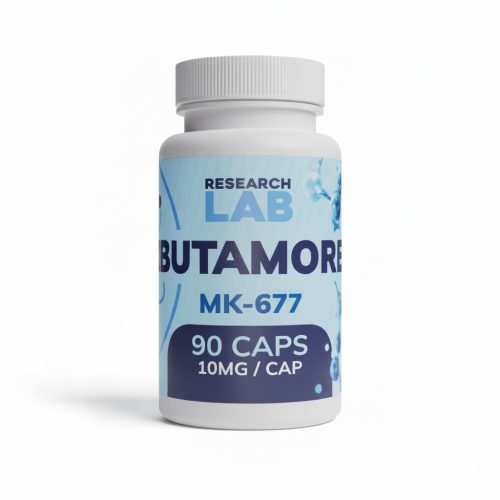
Ibutamoren MK-677 10mg 90 caps
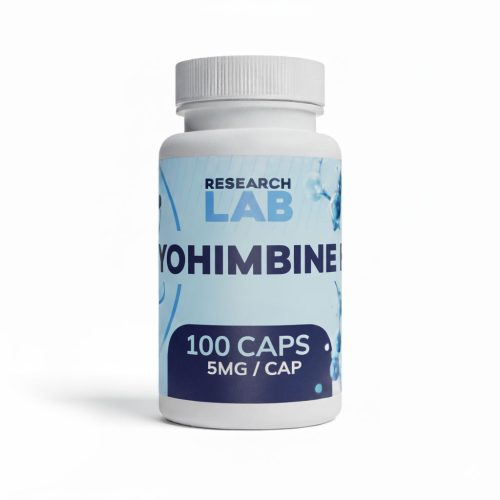
Yohimbine HCL 5mg 100 caps
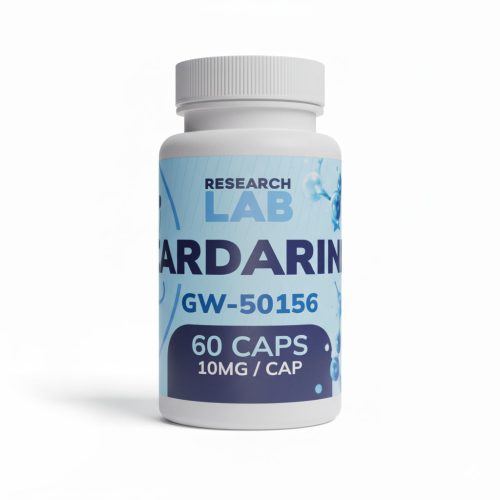
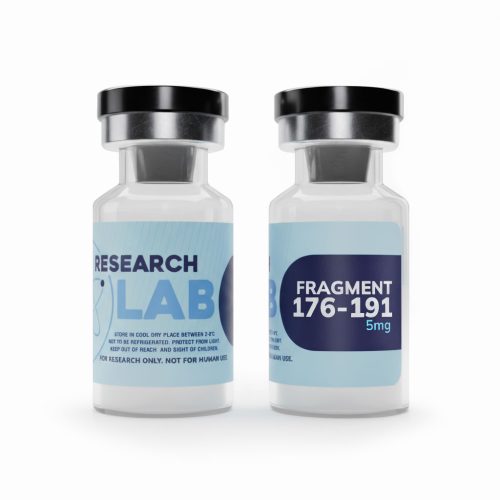
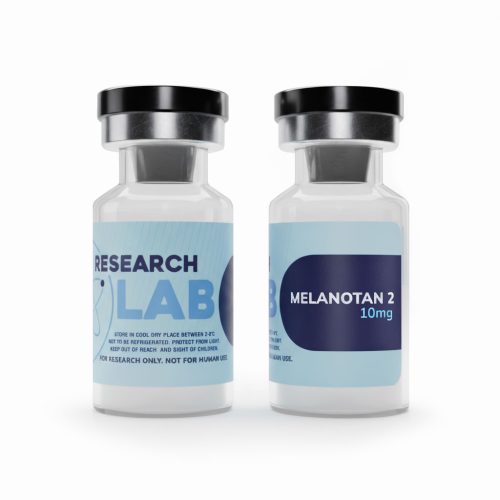
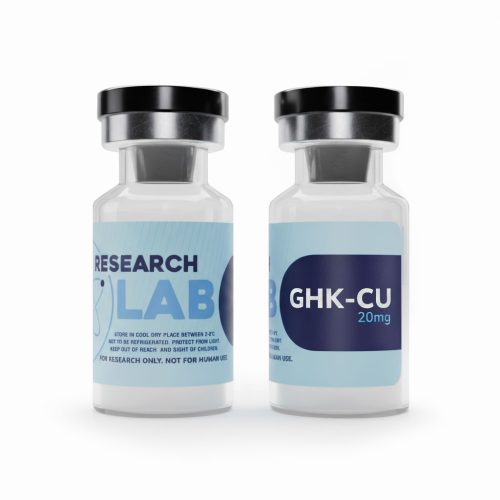

PEN 3G (RETA) 10mg
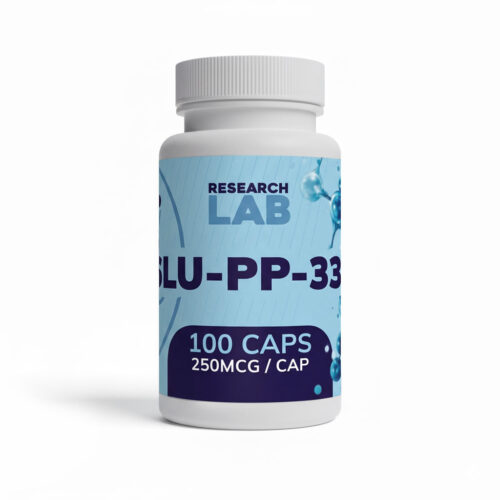
SLU-PP-332 250mcg 100 caps
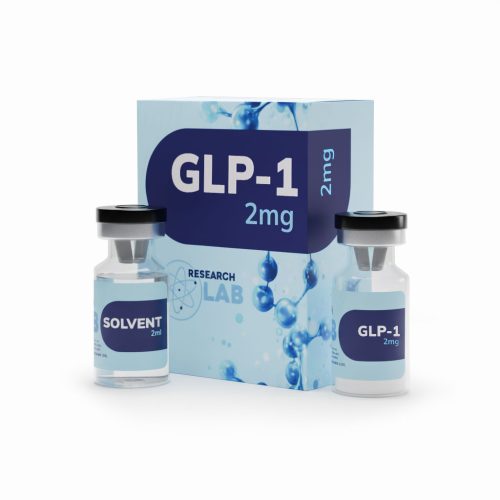
GLP-1 2mg + Solvent 2ml
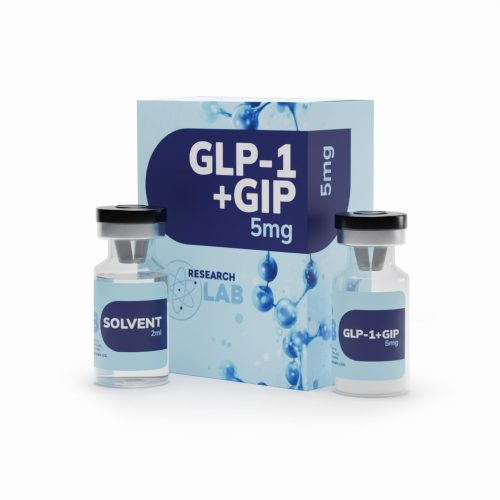
GLP-1 + GIP 5mg + Solvent 2ml
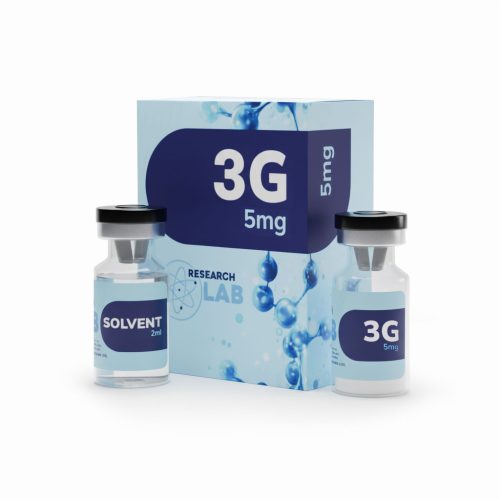
3G (RETA) 5mg + Solvent 2ml
Yohimbine HCL 5mg 100 caps
Understanding Spinfin: An Innovative Approach to Aquaculture
The Evolution of Aquaculture
Aquaculture has seen remarkable advancements over the past few decades, transforming how we produce seafood. Traditional methods often resulted in overfishing and environmental degradation. However, innovations like spinfin offer sustainable alternatives, ensuring that fish farms operate efficiently while preserving aquatic ecosystems. By utilizing state-of-the-art techniques, this approach is reshaping aquaculture as we know it.
What is Spinfin?
Spinfin represents a cutting-edge method in fish farming, focusing on optimizing growth conditions and health of fish populations. This system incorporates advanced technology to monitor water quality, feeding patterns, and overall fish welfare. Not only does this improve yields, but it also enhances the quality of seafood products available to consumers. The science behind spinfin is challenging traditional norms and presenting a new frontier in sustainable aquaculture.
Benefits of Spinfin in Aquaculture
The advantages of adopting spinfin methods are multifold. Firstly, it significantly reduces feed waste, a critical issue in traditional fish farming. By closely monitoring feeding practices, farmers can minimize the ecological footprint of their operations. Secondly, optimal water quality management leads to healthier fish, reducing the need for antibiotics and other chemicals traditionally used in aquaculture. This results in a cleaner, safer product for consumers, satisfying the growing demand for sustainably sourced seafood.
Challenges and Considerations
Despite its benefits, implementing spinfin systems does come with challenges. High initial costs associated with technology and training may deter some fish farmers. Additionally, there is a learning curve involved in adapting to new systems and maintaining them effectively. Therefore, it is crucial for stakeholders in the aquaculture industry to weigh the long-term benefits against the initial investment. Nonetheless, as the demand for sustainable seafood rises, innovations like spinfin become increasingly attractive.
Conclusion
In conclusion, the innovative spinfin method is revolutionizing aquaculture by promoting sustainable fishing practices and improving the overall quality of seafood. By addressing the challenges of traditional fish farming, it paves the way for a more environmentally friendly approach to food production. As awareness of sustainable practices grows among consumers, the future of aquaculture may very well hinge on methods like spinfin, ensuring a balanced ecosystem and a healthier planet.